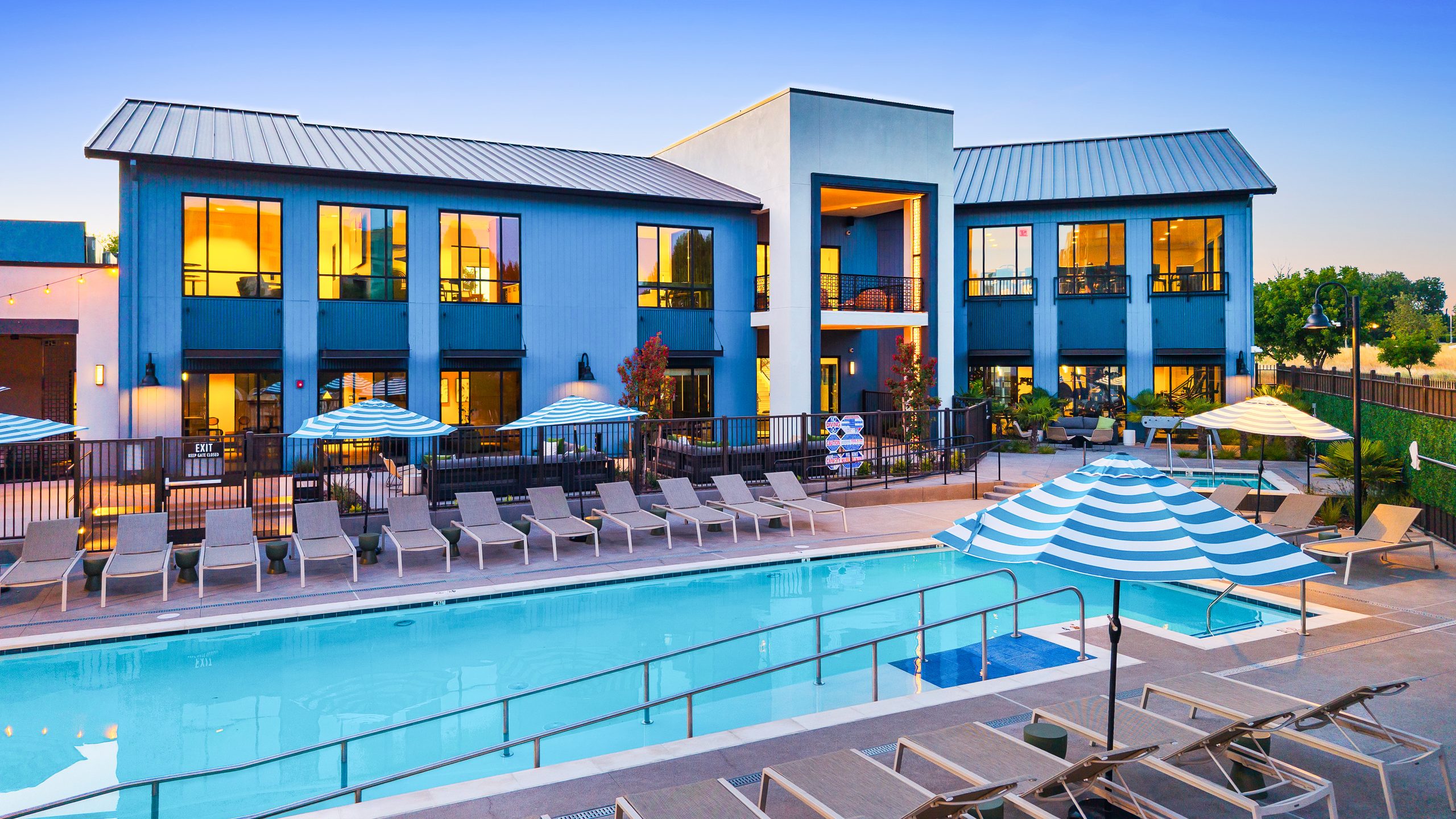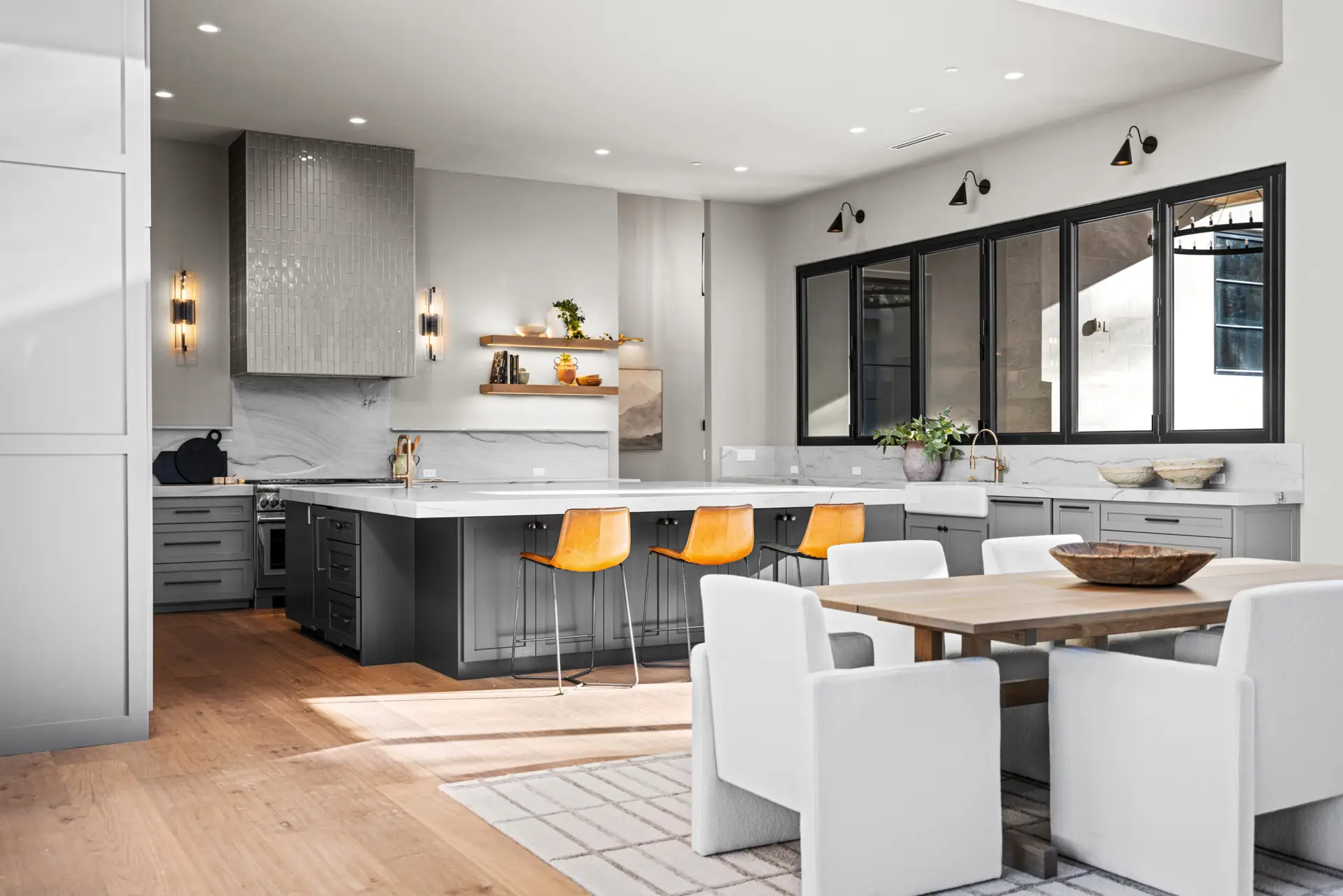


Interior design is about creating spaces that feel intentional, balanced, and visually compelling. When it comes time to share that work with clients or publish it online, the quality of your photography matters just as much as the quality of the design itself. Great design deserves great visuals, and professional interior photography helps you present your work in a way that feels elevated, refined, and true to your creative vision.
Whether you are an interior designer, stylist, stager, or home service professional, strong photography can completely transform how people experience your work online.
Professional photography captures your true design style
Designers spend hours choosing materials, layering textures, adjusting layouts, and perfecting small details. Phone photos or basic snapshots often flatten these elements and fail to capture the depth, accuracy, and character you intended.
Professional interior photography highlights:
• the texture and quality of materials
• the balance of natural and ambient light
• accurate color representation
• composition and flow
• styling details and design moments
• the overall mood of the space
Clean, well-composed images bring your design style to life and help your audience appreciate the craftsmanship behind the work.
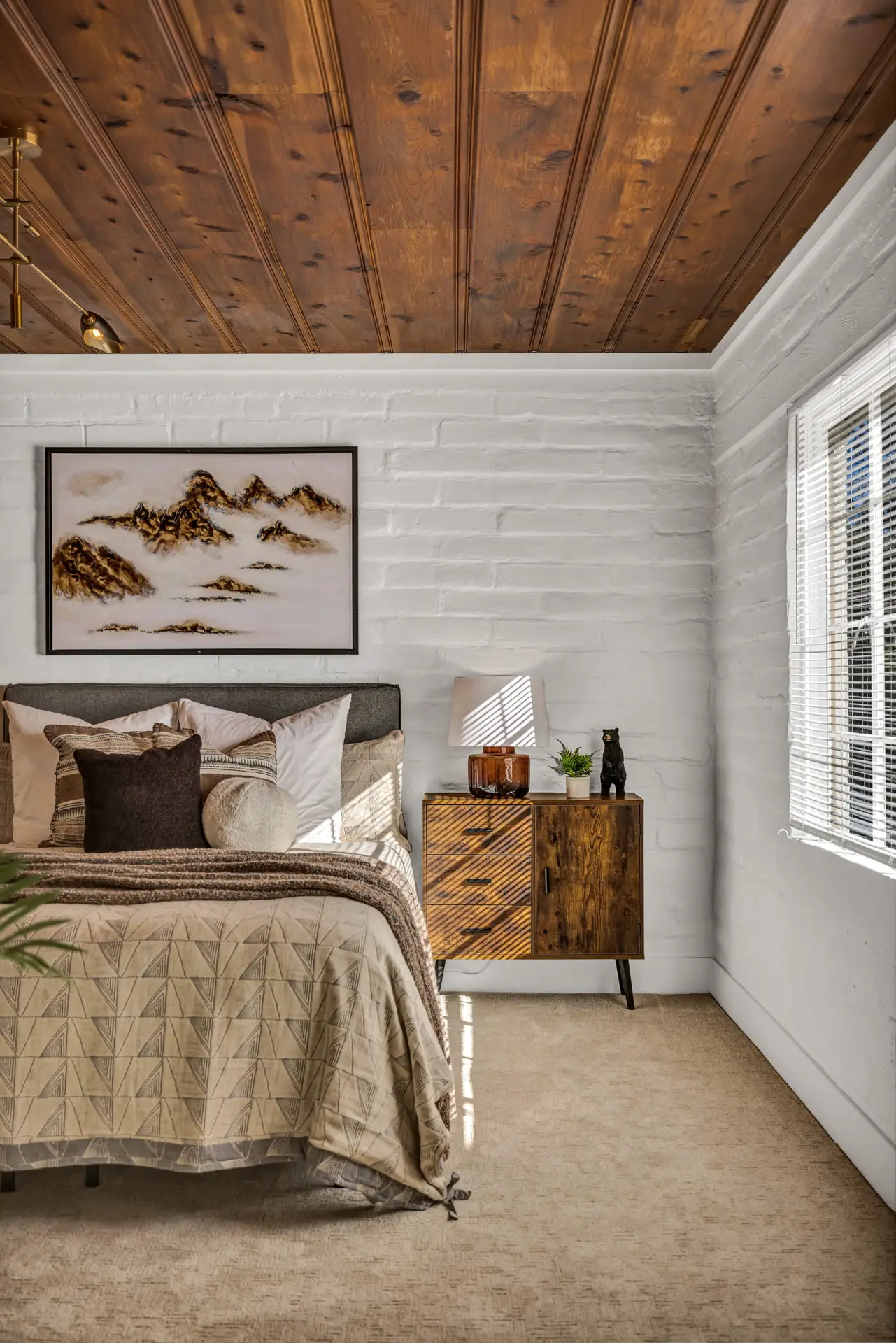
High-end visuals elevate your brand instantly
Interior design relies heavily on presentation. When your website, social media, and project portfolio look consistent and polished, your brand feels more established and trustworthy. High-quality photography communicates expertise and positions your work at a higher level.
Stronger visuals help you:
• build a cohesive brand identity
• attract clients who value quality
• stand out in a saturated design market
• present your finished projects with confidence
• create a professional, editorial-quality portfolio
Your photos become an extension of your brand and play a major role in how people perceive your work.

Editorial-style imagery helps tell a complete story
The best interior photography does more than show what a room looks like. It communicates how a space feels. Editorial-style images capture lifestyle moments, materials, and intentional vignettes that reveal the character of the design.
These types of images are ideal for:
• portfolio websites
• press submissions
• Instagram, Pinterest, and social media
• lookbooks or presentations
• design proposals
Story-driven visuals are memorable and help your work make a stronger impact.

Strong photography helps you book more projects
Potential clients often compare several designers before choosing who to hire. If your photography feels elevated, consistent, and intentional, you immediately stand out from the competition. It also helps set expectations for the level of detail and quality clients will receive when working with you.
Professional images help you:
• justify higher project rates
• attract clients who appreciate your aesthetic
• clearly communicate your skill and expertise
• inspire confidence during consultations
• build long-term and repeat relationships
Your portfolio becomes your most valuable marketing tool.
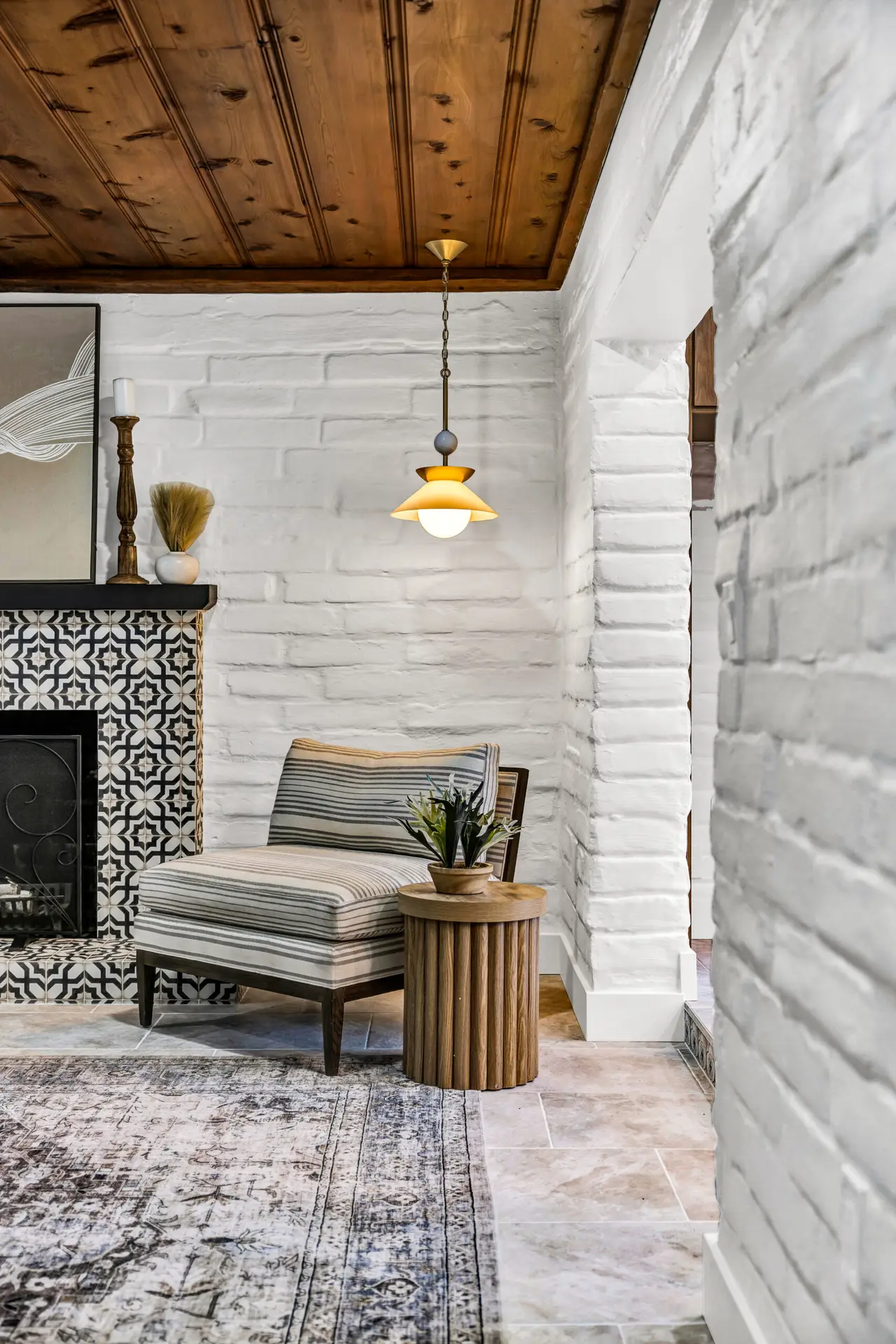
High-end photography supports publications and press opportunities
If your goal is to be featured on design blogs or in magazines, professional images are essential. Publications expect well-lit, editorial-quality visuals that represent your work accurately and beautifully.
High-quality photography opens the door to:
• magazine features
• digital design blogs
• collaborations with builders or architects
• brand partnerships
• marketing materials for future projects
Professional images significantly increase your chances of getting your work noticed.

How I approach an interior design shoot
Every interior project I photograph starts with a short conversation about what the designer wants the images to do. A portfolio refresh, a publication submission and a website launch all call for slightly different coverage, so I like to know the goal before I arrive.
On site, I work through the space in a planned order:
• wide compositions that show layout, scale and how rooms connect
• medium frames that focus on a single seating area, island or vignette
• detail images of hardware, textiles, stone, tile and millwork
• a few vertical frames sized for Instagram, Pinterest and print layouts
I shoot tethered when the project calls for it so we can review framing together, and I keep the styling true to the finished design. I do not move walls or add furniture in post. Retouching is limited to cleanup such as cords, outlet covers and small blemishes, with color matched to the real materials.
Timing, light and preparation
Natural light does most of the work in interior photography, so I schedule around the direction of the windows whenever possible. Morning or late afternoon light often brings out texture in plaster, wood and fabric better than harsh midday sun. Before the shoot, it helps to have fresh flowers or greenery ready, linens steamed, and personal items cleared from counters and shelves.
If the space belongs to a client, I recommend confirming photo permissions in writing ahead of time and agreeing on whether the home location can be shared. I never publish client addresses or identifying details without permission.
Using the images after the shoot
Designers get the most value from a shoot when the images are used everywhere at once. Update your website gallery, submit to regional design publications, share a short carousel on social media, and add the strongest frames to your proposal deck. Builders, architects and stagers you collaborated with may also want licensed use, which is worth discussing up front.
You can see more about how I work with designers on my interior design photography page, review my full list of photography services, or browse recent work in the portfolio.
Final thoughts
Interior design photography is more than a documentation tool. It is a strategic investment that elevates your brand, strengthens your portfolio, and showcases your work with clarity and intention. Whether you are looking to grow your business, refresh your online presence, or prepare a project for publication, professional photography ensures your work stands out.
If you are a designer, stager, or creative professional ready to photograph a finished project, get in touch with the details, or learn more about me first.