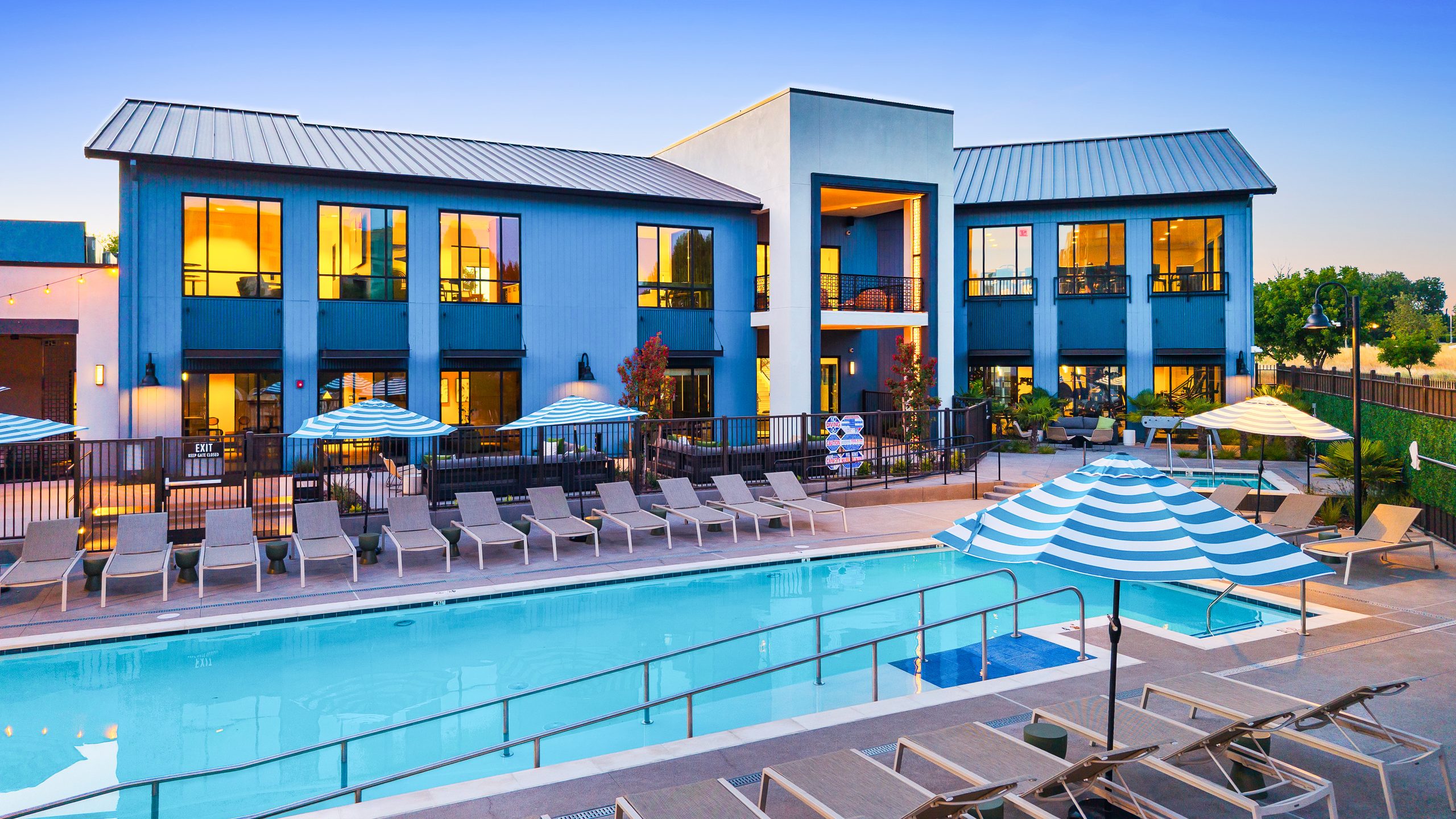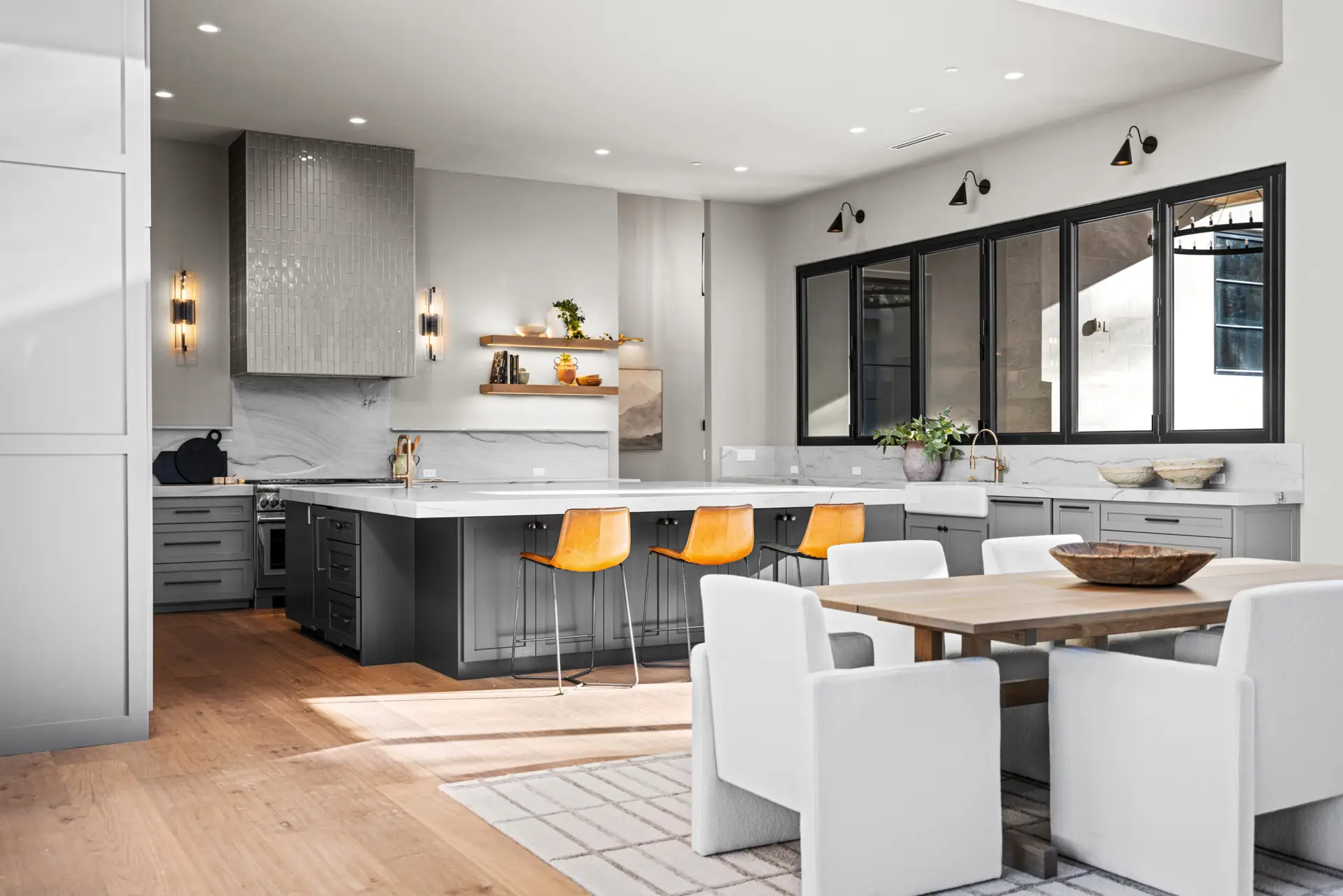

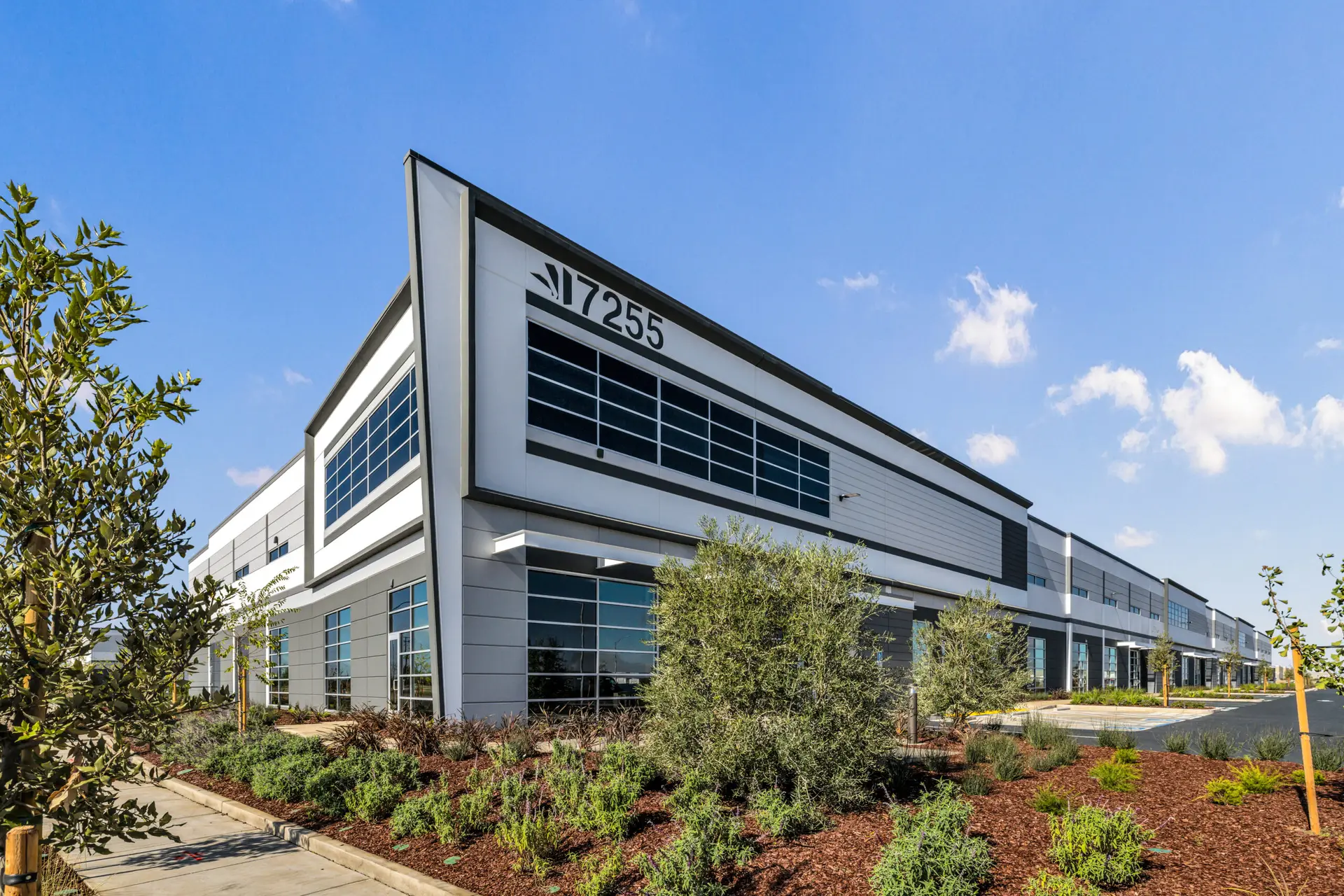
Commercial real estate moves quickly, and strong visuals can make a major difference in how efficiently a property leases or sells. Whether you are marketing an office building, industrial facility, retail space, multifamily property, or mixed-use development, professional commercial real estate photography elevates your listing and creates a clearer, more compelling presentation for tenants, buyers, and investors.
In a competitive market like Sacramento, where decision-makers compare multiple properties at once, high-quality media gives your listing an immediate advantage.
Tenants rely on visuals to make faster decisions
Most tenants begin their property search online through platforms like LoopNet, Crexi, brokerage websites, or direct marketing packages. Professional photography helps communicate:
• the overall layout and functionality
• natural light and ceiling height
• the condition and finishes of the space
• parking, access, and onsite amenities
• nearby businesses and traffic visibility
Clear visuals reduce hesitation and help potential tenants quickly understand whether the space fits their needs.

Investors need accurate and detailed documentation
Investors and developers review a significant amount of information when analyzing a property. Professional photography makes that process easier by clearly capturing:
• building condition and maintenance level
• exterior architecture and curb appeal
• common areas, amenities, and improvements
• site orientation and overall scale
Strong visuals help investors evaluate a property more confidently and effectively.
High-quality media improves LoopNet and Crexi performance
Listings with professional photography consistently receive:
• more clicks
• stronger lead activity
• higher-quality inquiries
• more qualified tours
Brokers who invest in strong visuals often see better engagement and faster results, particularly on high-traffic listing platforms.

Drone photography is essential for CRE marketing
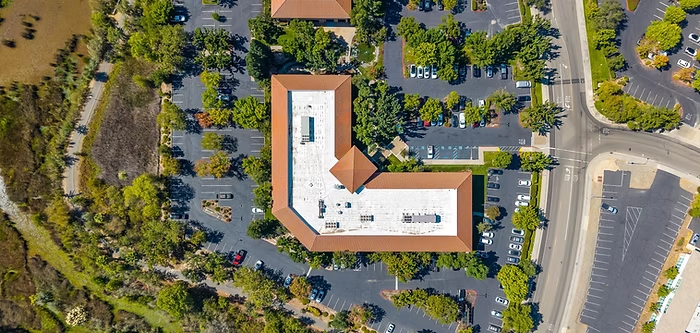
Aerial imagery is one of the most influential tools in commercial real estate marketing. Drone photos and videos help highlight:
• visibility from major roadways
• parking capacity
• surrounding tenants and anchor stores
• proximity to freeways and high-traffic corridors
• parcel layout and site plan context
For retail, industrial, and multifamily properties, drone media is often the deciding factor for serious leads.
Matterport tours attract more qualified prospects
Virtual tours are becoming a core expectation for commercial listings, especially for:
• office suites
• coworking spaces
• industrial units
• newly constructed developments
• multifamily communities
• mixed-use buildings
Matterport tours allow prospects to explore the space remotely, saving time for everyone and helping pre-qualify leads before they book an in-person visit.
Professional media strengthens your brand as a broker or property manager
High-quality marketing benefits more than just the listing. It also elevates your professional image. Property owners take notice when their broker or PM consistently uses strong visuals, which often leads to:
• more assignments
• stronger client trust
• better-performing listings
• a recognizable marketing standard
Consistent, professional media reflects positively on your brand and sets you apart from competitors.
What a commercial shoot usually includes
Commercial properties need different coverage than a single-family home. When I photograph an office, retail center, industrial building or multifamily property, I plan the shot list around what tenants and investors will ask first. That usually means:
• exterior elevations and entrances from street level
• lobby, common areas and amenity spaces
• representative suites or units, including vacant space
• loading docks, clear height, parking and access points for industrial and flex buildings
• aerial photos and video that show location context, nearby retail and major roads
All of my drone work is flown under the FAA’s Part 107 rules for commercial operators. You can read more about those requirements on the FAA small unmanned aircraft systems page.
Planning around occupied buildings
Many commercial shoots happen in buildings that are partly occupied. I work with property managers to schedule around tenant hours, avoid photographing people or confidential materials, and keep signage and branding accurate. For retail and multifamily properties, early morning often gives clean parking lots and even light on the facade.
How brokers use the images
The same set of images can support a full leasing or sale campaign. Brokers use them in offering memorandums, flyers, investor decks, listing sites, email campaigns and signage. Consistent photography across a portfolio also helps an ownership group present a unified brand. Accurate images matter here, because tenants and investors will tour the property and compare it to what they saw online.
For more detail on how I work with brokers, developers and property managers, visit my commercial real estate photography page or see the full list of services.
Common mistakes in commercial listing photos
A few issues come up again and again when I review existing commercial marketing. Photos taken on a phone often distort ceilings and make suites feel smaller than they are. Exteriors are frequently shot at the wrong time of day, leaving the main facade in shadow. Vacant suites are photographed with trash, ladders or leftover furniture in frame. And aerial context is often missing, even though access and visibility are some of the first things a tenant evaluates.
Fixing these issues does not require anything complicated. It takes planning, the right lenses, good timing and a clear shot list built around how the property will be marketed.
Final thoughts
Commercial real estate photography is not just a visual upgrade. It is a strategic tool that helps properties lease faster, attract better-qualified prospects, and support stronger investment decisions. Whether you are marketing a single suite or a large commercial development, professional media makes your listing more compelling and more effective.
If you have a commercial listing coming up, get in touch for a quote, including larger or multi-building projects.