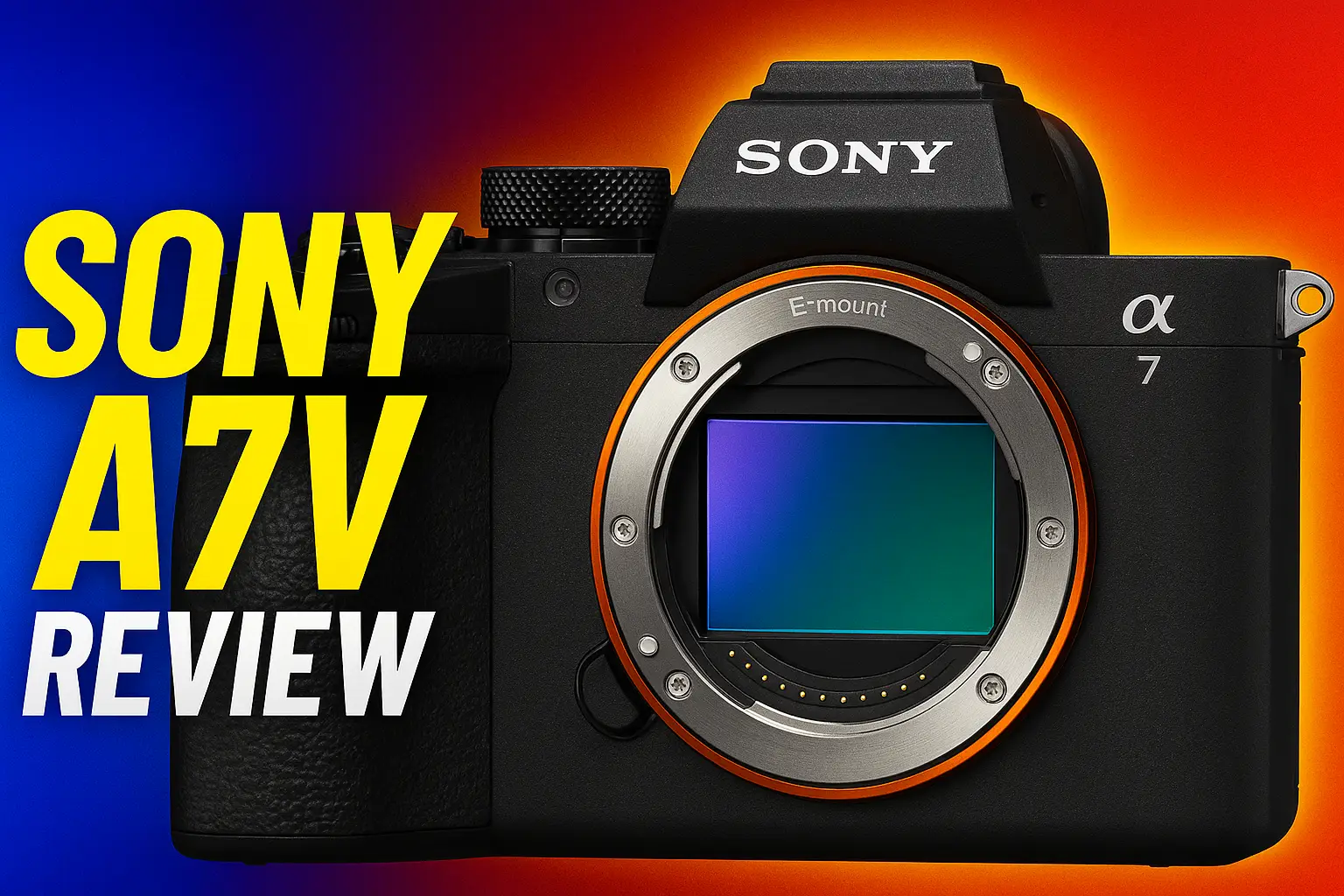
Sony A7V Review for Real Estate Photography (2025): Full Breakdown and Canon R5 Mark II Comparison
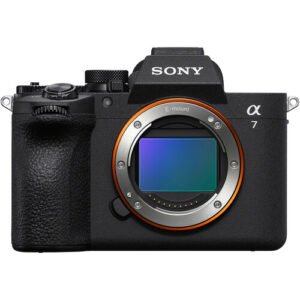
This Sony A7V Review takes a deep look at how Sony’s newest hybrid camera performs specifically for real estate photography and video work. The A7V is one of the most anticipated cameras of 2025 and brings meaningful upgrades to dynamic range, speed, color performance, and stabilization. In this breakdown, I focus on how those features translate into real estate workflows and how the A7V compares to the Canon R5 Mark II for interior photography and walk through videos.
Who This Review Is For
This article is written for anyone who shoots:
-
real estate listings
-
interior design projects
-
architecture
-
Airbnb or short term rental content
-
commercial spaces
-
real estate walk through videos
If you rely on HDR shooting, clean color in mixed lighting, accurate interior lines, stabilized video, and efficient editing, you will find this breakdown useful.
Release Date and Availability
Sony announced the A7V in early 2025. Preorders opened immediately through major retailers such as B&H, Adorama, and Amazon. The A7 line tends to sell out quickly, so availability may vary depending on your region and preorder timing.
What Is New in the Sony A7V (Quick Overview)
Here is a quick look at the upgrades that matter most for real estate photographers.
-
33MP BSI full frame sensor with better dynamic range
-
Faster readout and less rolling shutter
-
Improved color science for interiors
-
Better low light shadow performance
-
Updated IBIS with AI assisted stabilization
-
6K oversampled 4K video
-
Faster processing and menu responsiveness
-
Faster HDR bracketing
-
Smoother autofocus behavior
-
Cool running temperatures during long recordings
-
Huge E mount lens ecosystem
Now let us get into how these updates actually help a real estate workflow.
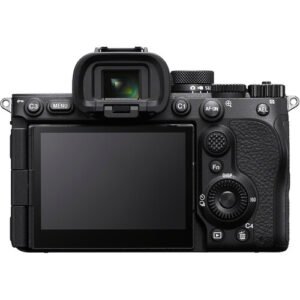
Sensor and Dynamic Range for Interior Photography
The A7V keeps the 33MP resolution that many real estate photographers already like from the A7 IV, but the performance of the new sensor is noticeably better.
Why 33MP Is Ideal for Real Estate Photography
Higher megapixels sound impressive, but for real estate work, 33MP is extremely well balanced. This resolution:
-
keeps file sizes manageable
-
speeds up HDR merging
-
allows comfortable cropping when fixing vertical lines
-
looks great for MLS, print materials, and commercial listings
-
does not overwhelm your editing computer
Most real estate photographers prioritize speed and consistency over extremely large image files, which makes the A7V a very practical choice.
Improved Dynamic Range for Interiors
Interior scenes often include bright windows, dark corners, and mixed lighting. The A7V handles these situations better than previous A7 models. Shadows lift cleaner, highlights clip less aggressively, and the overall tonal balance is easier to control in post. HDR blends look more natural and require fewer adjustments.
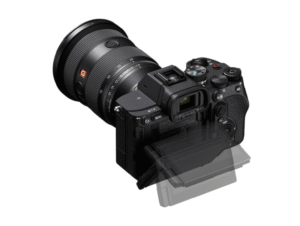
Rolling Shutter and Readout Speed
Sony significantly improved the sensor readout speed in the A7V. This change reduces rolling shutter, which is very noticeable during real estate video work. Faster readout helps keep:
-
door frames straight during pans
-
vertical lines stable while walking with a gimbal
-
wide angle movements cleaner
-
handheld interior shots smoother
Even without a stacked sensor, the improvement in rolling shutter is one of the most immediately visible upgrades from the A7 IV.
Color Science Improvements
One of the biggest challenges in real estate photography is dealing with multiple light sources in the same room. The A7V produces:
-
more accurate neutral tones
-
less green or magenta contamination in shadows
-
smoother white balance transitions
-
better color consistency from room to room
Walls, ceilings, and cabinets often pick up unwanted color casts in mixed lighting conditions. The A7V handles these situations more gracefully and reduces the amount of correction needed in Lightroom.
Autofocus Behavior Indoors
Real estate photographers do not need subject tracking or eye autofocus. What we need is predictable behavior on interior lines and smooth transitions while shooting video. The A7V focuses confidently on furniture edges, windows, cabinets, and textured surfaces. Low light focusing is also more reliable than previous generations.
This leads to cleaner gimbal movements and fewer focus jumps in dim rooms.
Low Light Performance
Real estate work often involves poorly lit spaces. The A7V performs noticeably better at higher ISOs and retains color and detail when shadows are lifted. Bathrooms, basements, hallways, and late day interiors benefit from the improved noise control.
HDR Bracketing and Workflow Speed
The A7V fires bracketed sequences faster and clears the buffer more efficiently. If you shoot 3 or 5 bracket HDR throughout a property, these improvements will keep your workflow moving faster. The camera also feels more responsive when capturing multiple angles back to back in tight spaces.
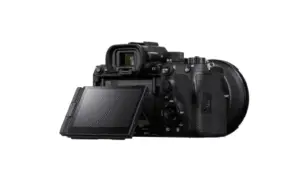
Video Performance for Real Estate Walk Throughs
Real estate videographers will notice a number of upgrades that make the A7V a more polished hybrid camera.
6K Oversampled 4K
Oversampled 4K produces sharper and cleaner details, especially in interior environments where texture matters. Tile, flooring, countertops, and fine architectural elements render more crisply without oversharpening.
IBIS with AI Stabilization
Sony added an AI layer to the stabilization, which helps correct micro jitter and produces smoother movements. You will see improvements in:
-
walking shots
-
handheld detail shots
-
slider style movements
-
ultra wide interior clips
This creates a more professional look even without a perfect gimbal setup.
Color Profiles for Real Estate Video
Sony offers two strong options.
-
S Cinetone is great for quick turnarounds with attractive color out of camera.
-
S Log3 is ideal for cinematic edits and higher dynamic range.
Both profiles look cleaner on the A7V.
Thermal Performance
Sony bodies traditionally handle heat well and the A7V continues that trend. You can shoot longer walk throughs or multiple takes without overheating.
Sony E Mount Lens Ecosystem
The E mount system continues to lead in terms of lens availability and price range. Real estate shooters have excellent options such as:
-
Sony 12 to 24mm f 2.8 GM
-
Sony 16 to 35mm f 4 PZ
-
Sigma 14 to 24mm f 2.8
-
Tamron 17 to 28mm f 2.8
Canon RF lenses are high quality, but the RF system is still more limited and generally more expensive.
Sony A7V Pricing
-
Body only: $2,800 to $2,900
-
Kit with 28 to 70mm lens: $2,899 to $3,099+
This is a strong value for the performance you are getting.
Canon R5 Mark II Pricing
-
Body only: $3,899 to $4,299
-
Kit with RF 24 to 105mm f 4: $4,999 or more
The RF lens ecosystem also adds additional cost compared to Sony.
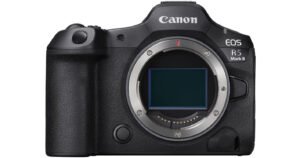
Sony A7V vs Canon R5 Mark II for Real Estate Photography
Here is a practical comparison for real estate work.
Resolution
A7V is 33MP.
R5 Mark II is 45MP.
Canon wins on paper, but 33MP is often the better workflow choice for real estate.
Dynamic Range
Both offer excellent performance. Sony traditionally handles shadows with a little more flexibility, which helps with interior editing.
Video Workflow
Canon offers 8K RAW.
Sony offers oversampled 4K, stronger stabilization, and lower rolling shutter.
For real estate videos, Sony’s strengths align more directly with day to day needs.
Stabilization
The A7V has the cleaner and more natural stabilization system.
Lens Selection
Sony still has the advantage with more options that are also more affordable.
Heat Management
Sony continues to be the more reliable camera for long recording sessions.
Comparison Table
| Feature | Sony A7V | Canon R5 Mark II |
|---|---|---|
| Price | $2,499 to $2,699 | $3,899 to $4,299 dollars |
| Megapixels | 33MP | 45MP |
| Dynamic Range | Excellent | Excellent |
| Stabilization | Improved IBIS with AI | Very good |
| Video | 6K oversampled 4K | 8K RAW |
| Rolling Shutter | Major improvement | Improved |
| Lens Ecosystem | Large selection | Limited |
| Low Light | Excellent | Very good |
| Overheating | Rare | Improved |
| Best For | Real estate hybrid shooters | High resolution commercial work |
Final Thoughts
The Sony A7V is one of the most complete and practical hybrid cameras available for real estate photographers in 2025. It improves on the areas that matter most to interior shooters, such as dynamic range, rolling shutter performance, stabilization, and workflow speed. It also keeps the resolution at a level that is ideal for real estate photography and editing.
The Canon R5 Mark II is an impressive camera with higher resolution and 8K video, but those strengths do not always translate into better real estate results. For most real estate photographers and videographers, the Sony A7V offers a better combination of usability, performance, and value.
If you are planning an upgrade this year and work primarily in real estate, the Sony A7V should be at the top of your list.